Samantha Ellis
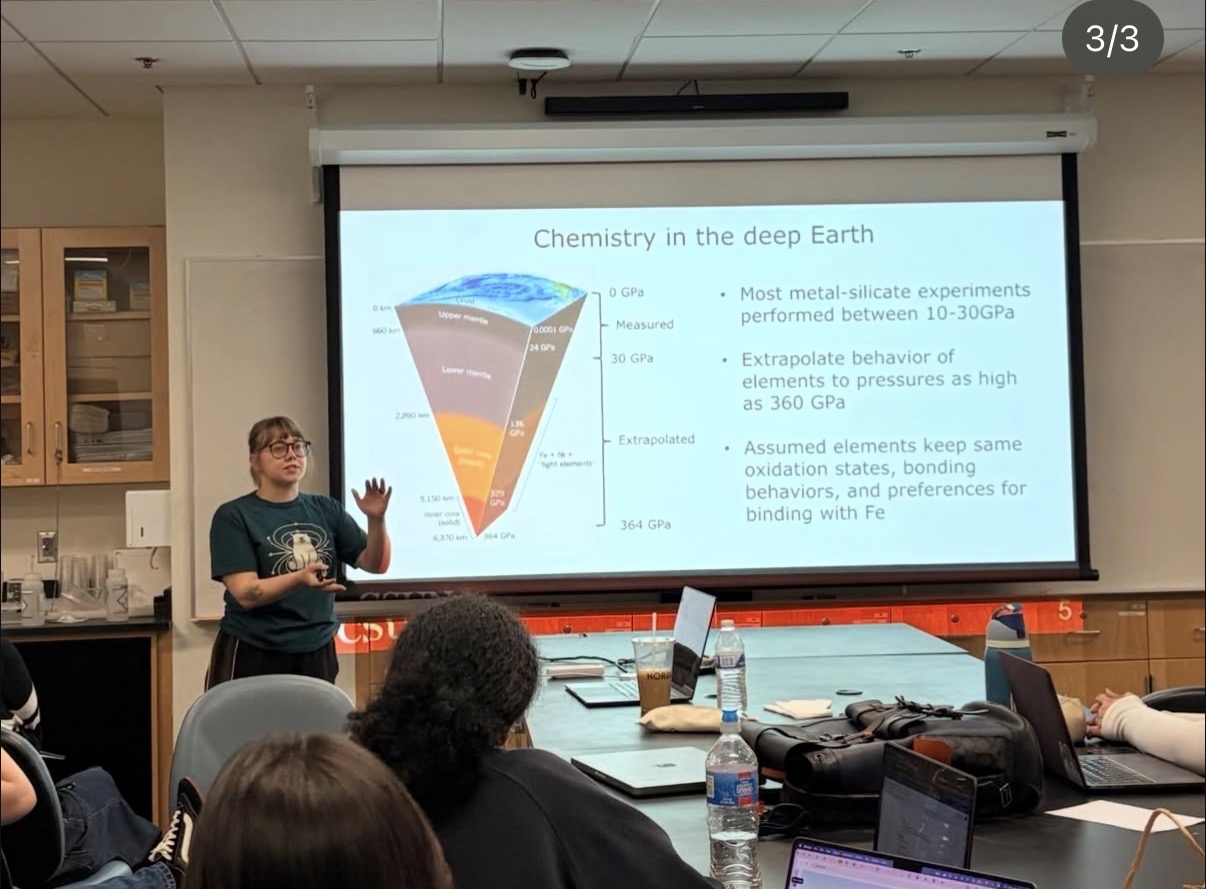
I’m a computational materials chemist studying how chemical bonds rewrite their rules under extreme conditions, from iron at Earth’s core to core electrons that start bonding, using machine learning to accelerate the search for new superhydrides.
I’m completing my M.S. with Prof. Maosheng Miao at CSUN and working as a Research Student Intern at Oak Ridge National Laboratory with Eva Zarkadoula and Jingsong Huang.
Iron usually gives electrons away, but squeeze it hard enough and it starts taking them. In iron iodide, the charge on iron flips from positive to negative near 150 GPa.
Chemistry under pressure
Drag the slider from 0 GPa (everyday pressure) up to the millions of atmospheres where even hydrogen changes character. Each stop is one of my projects.
Scaling up simulations with machine learning
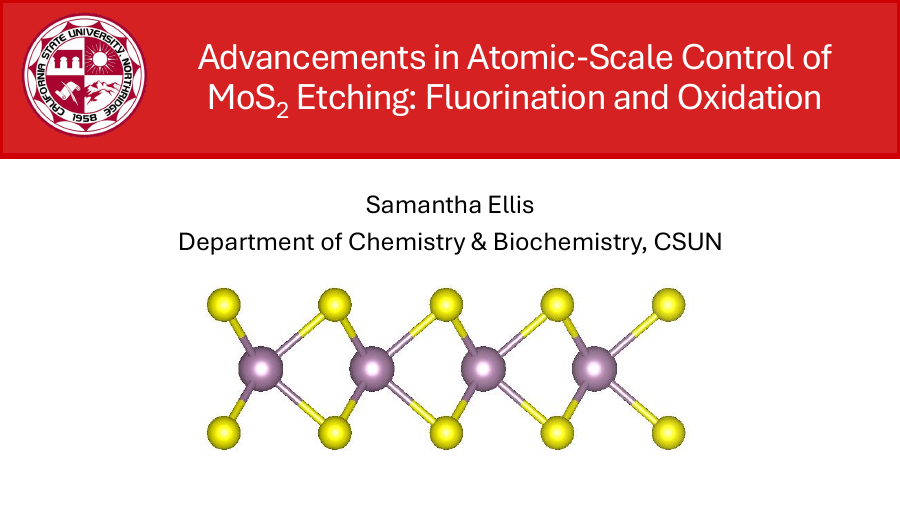
At ambient pressure, I use machine learning to push atomistic simulations past the limits of first-principles methods. Short AIMD and MLFF-AIMD runs on small cells provide the training data to fine-tune a machine-learned interatomic potential, which then reaches nanosecond timescales and nanometer length scales. My test case is fluorine-driven gas-assisted etching of MoS₂ and WS₂ monolayers, where the chemistry is too complex to capture in small, short simulations alone.
Publications
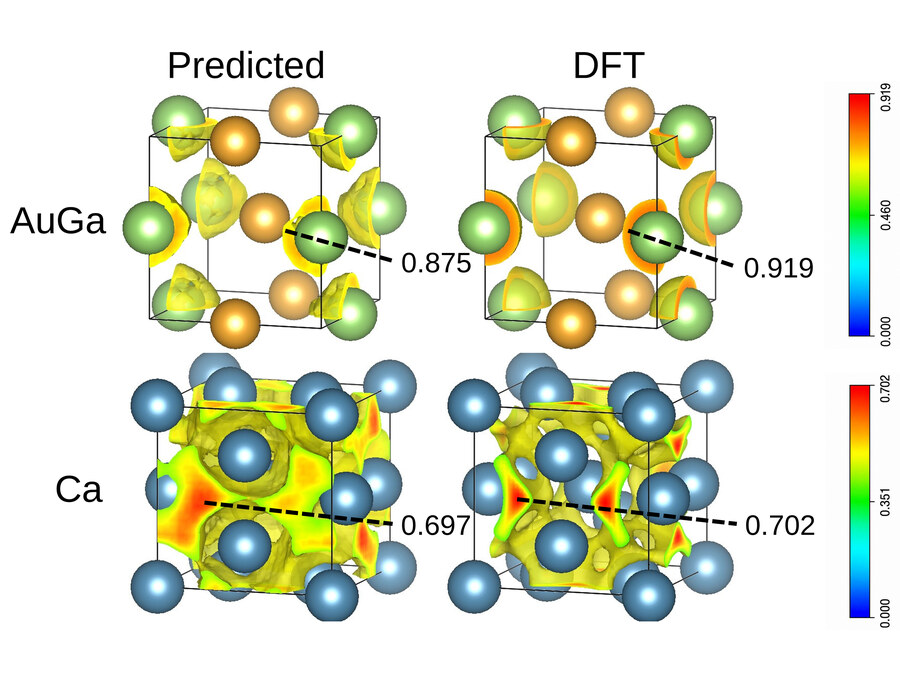
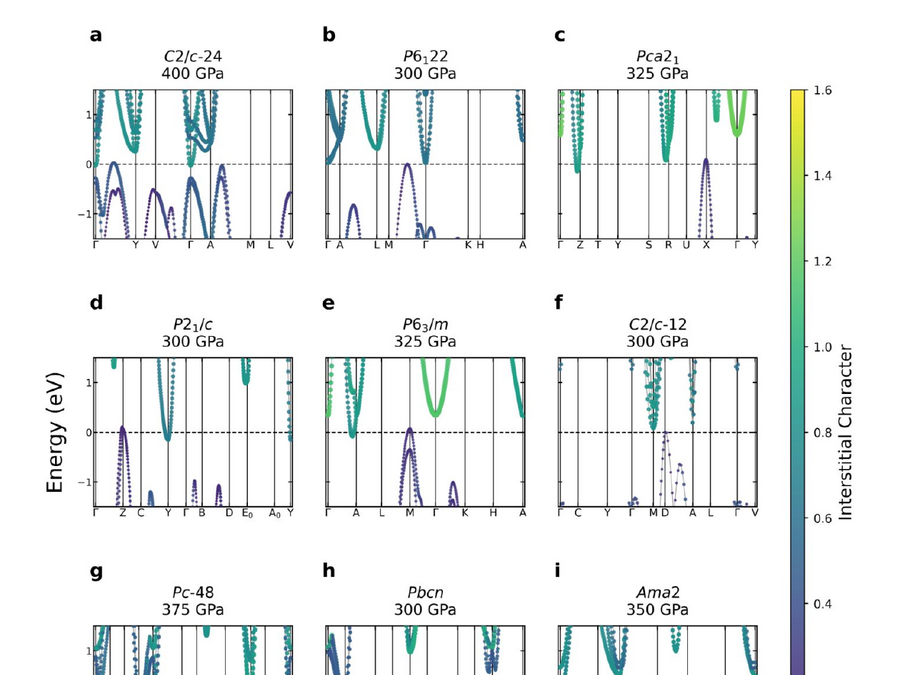
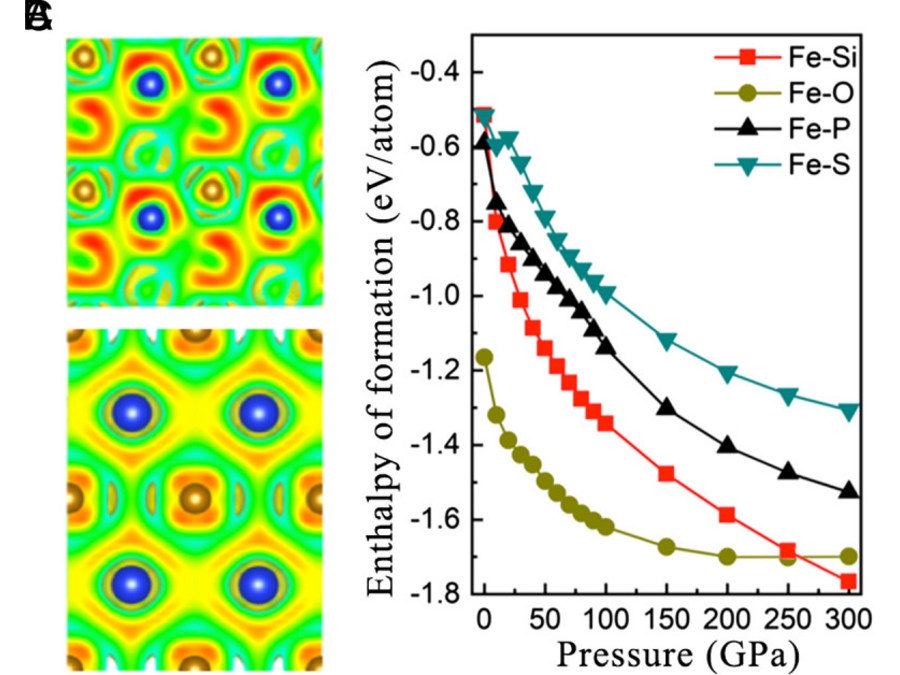
Earlier work may appear under Samantha Scott.
Presentations
 SeminarPDF
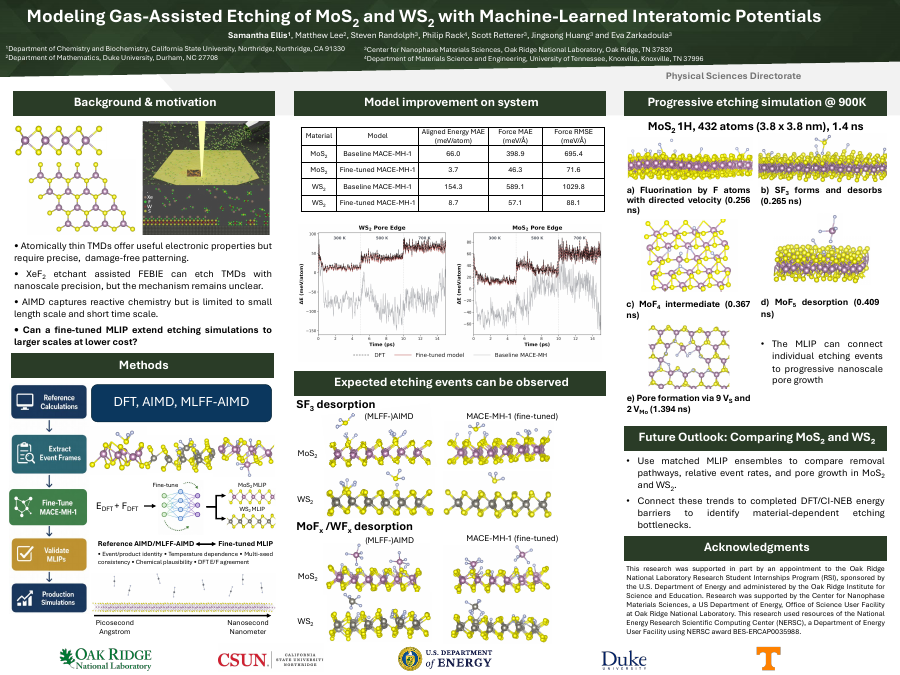 PosterPDF
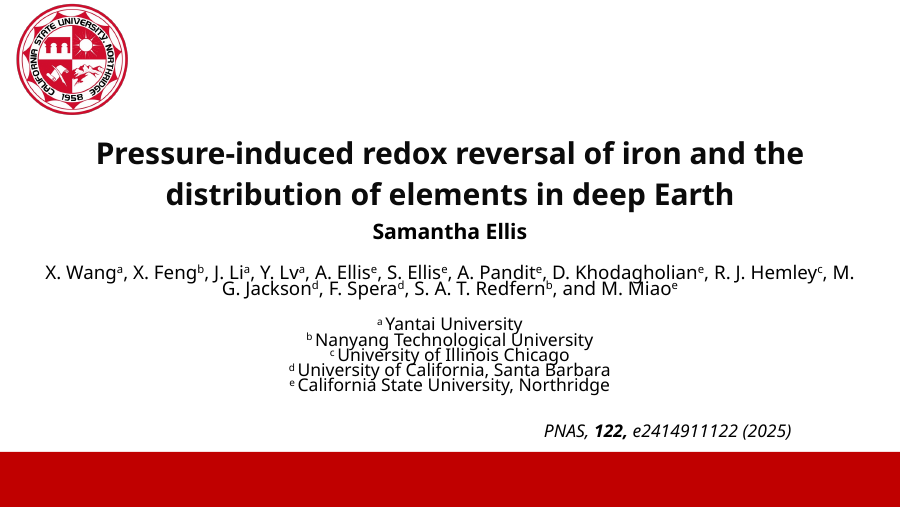 TalkPDF
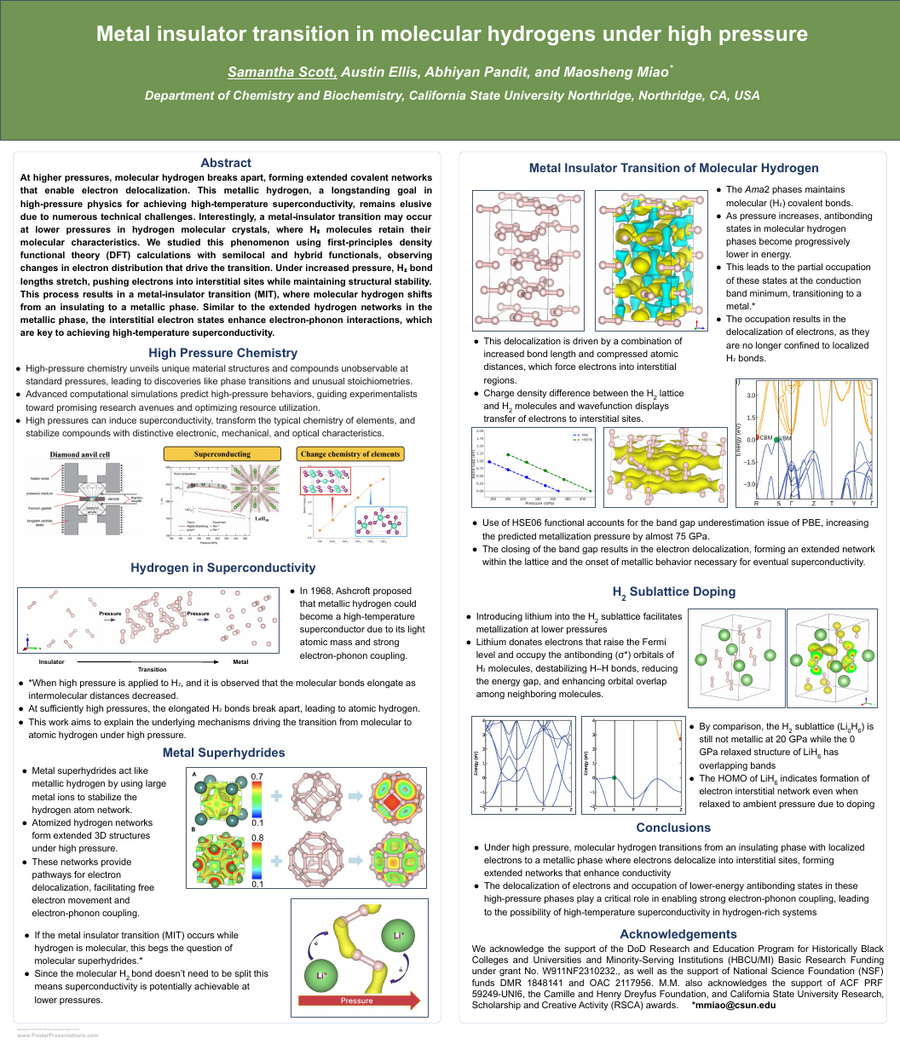 PosterPDF
Your path can be nonlinear and still lead somewhere meaningful.
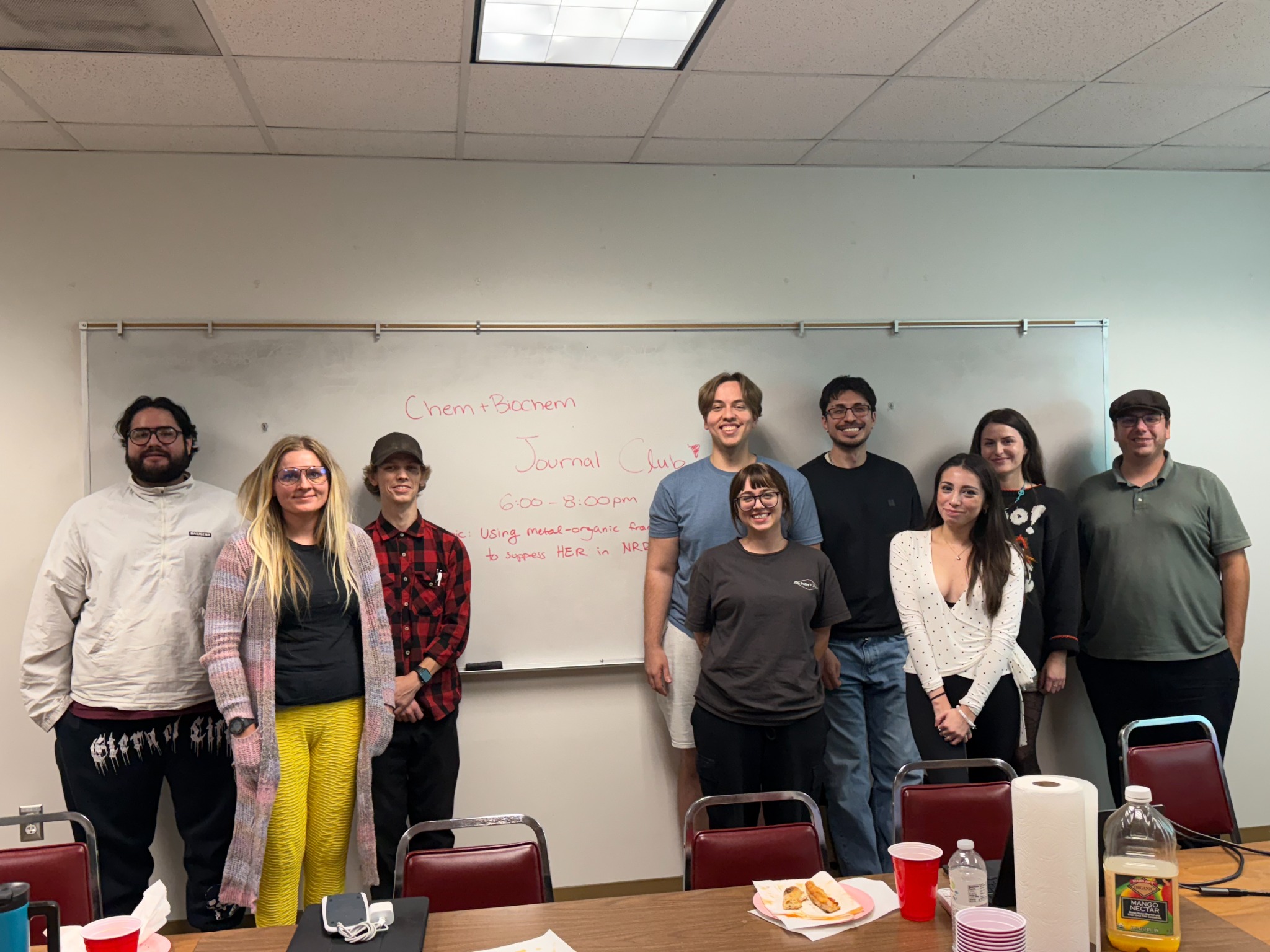
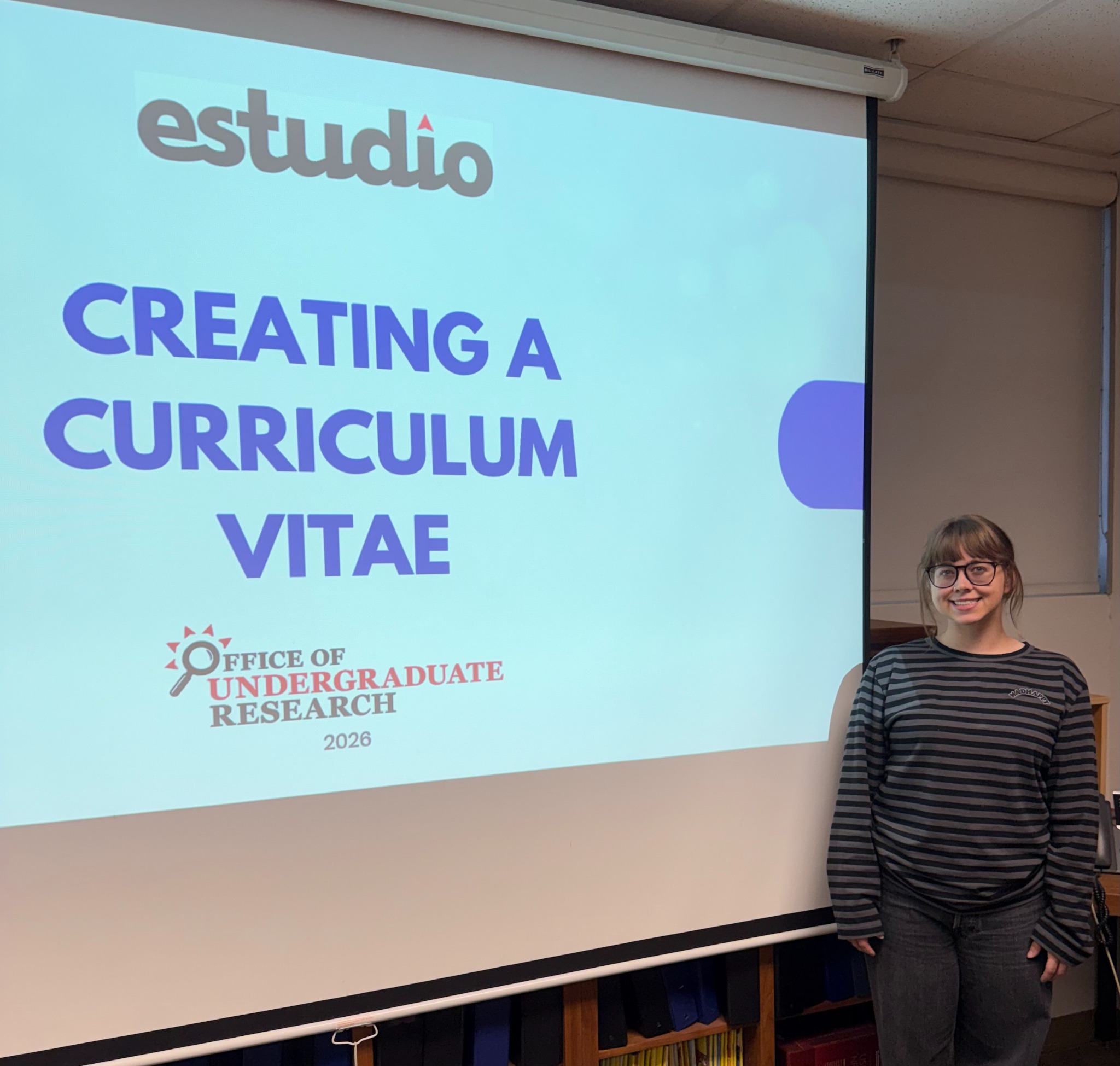
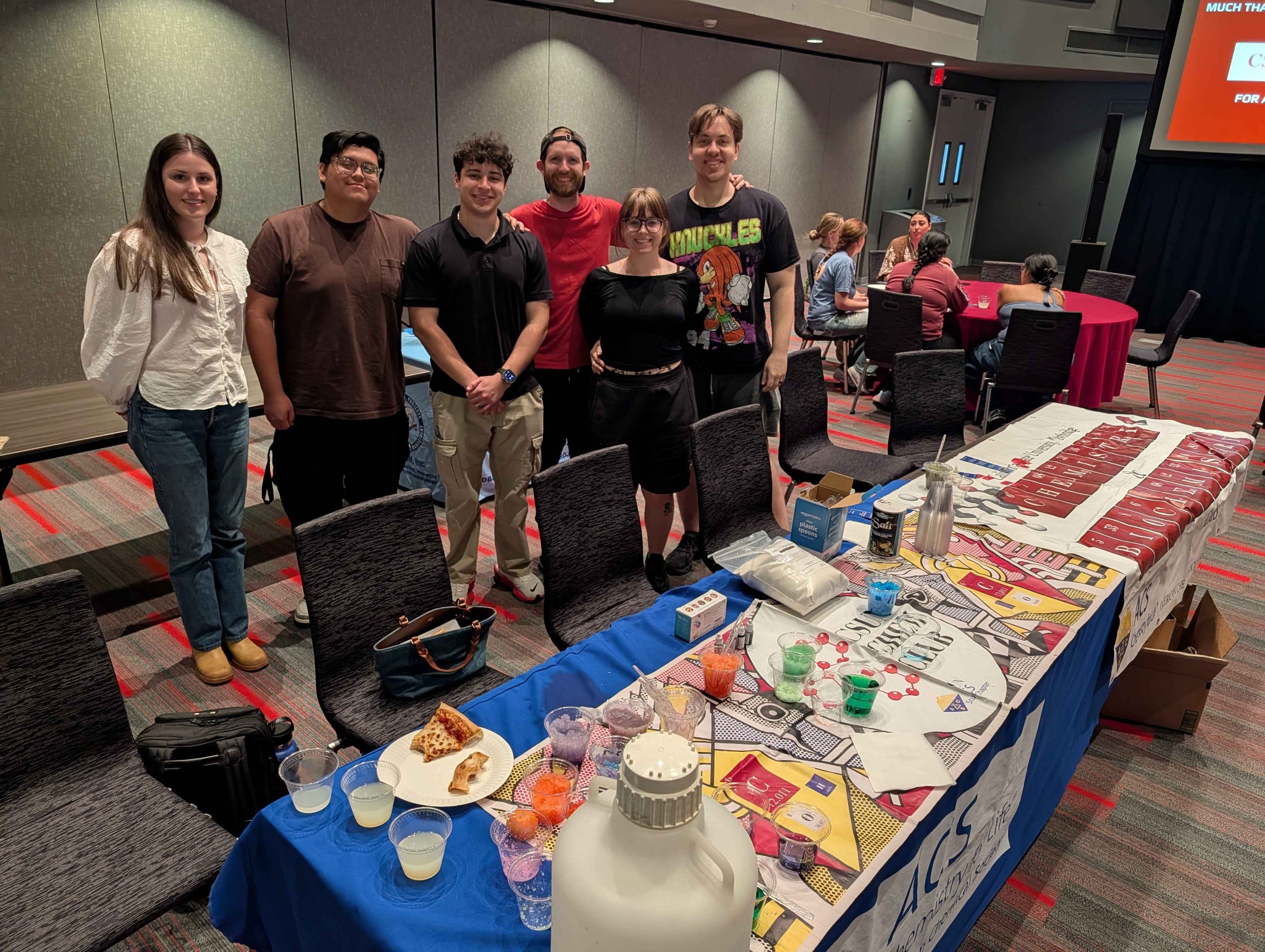
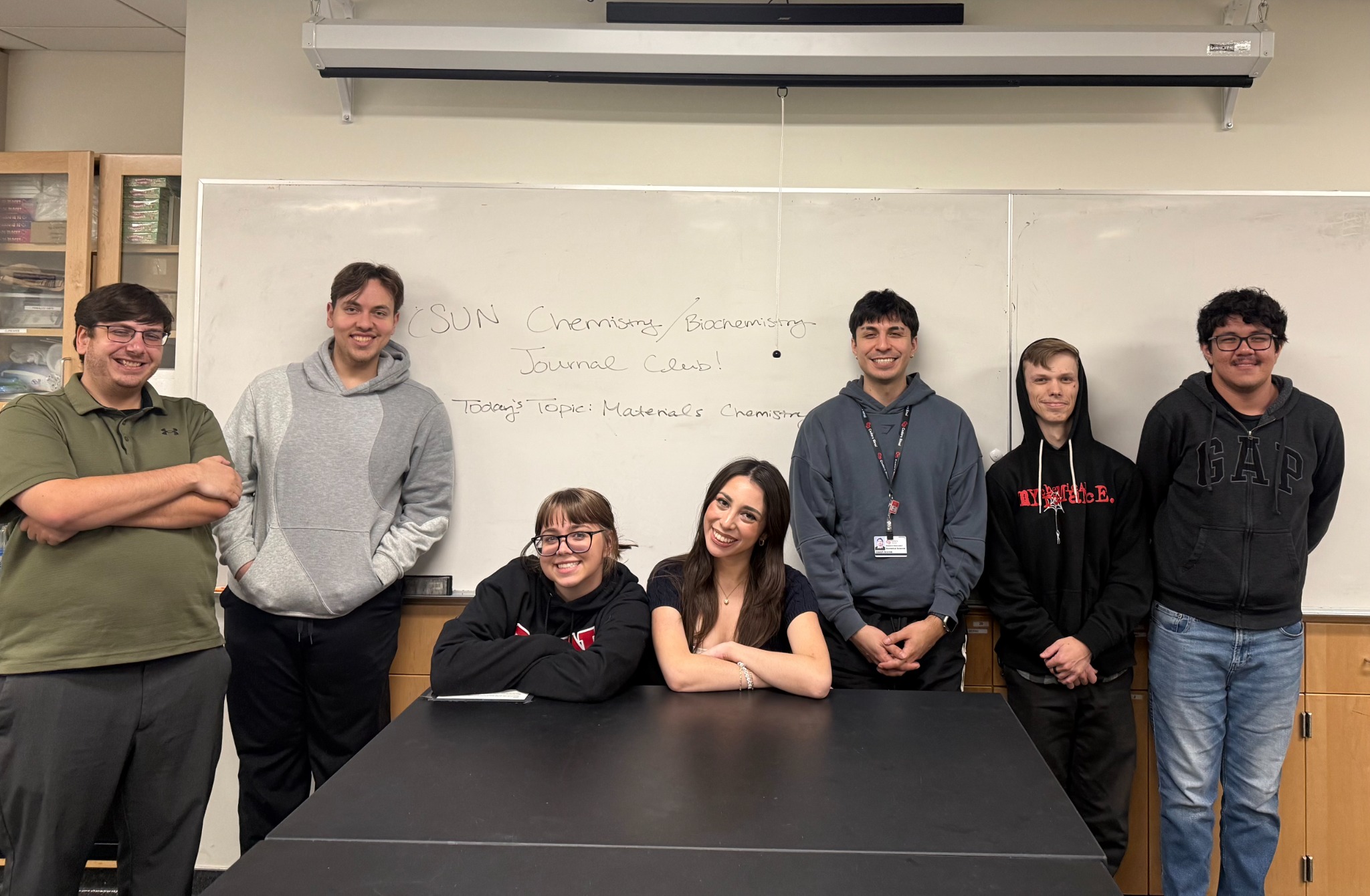
As a first-generation college student, I know how much a good mentor matters. I try to be that for others: I challenge students to grow, help them work through uncertainty, and remind them they don’t need everything figured out.
“Explains concepts in an efficient but also easy to understand way.”
General Chemistry II Lab student
“Sammie was very kind and patient and really easy to talk to throughout the semester.”
General Chemistry II Lab student
“She does want us to figure out things before we go to her, which I appreciate.”
Organic Chemistry I Lab student
In the news
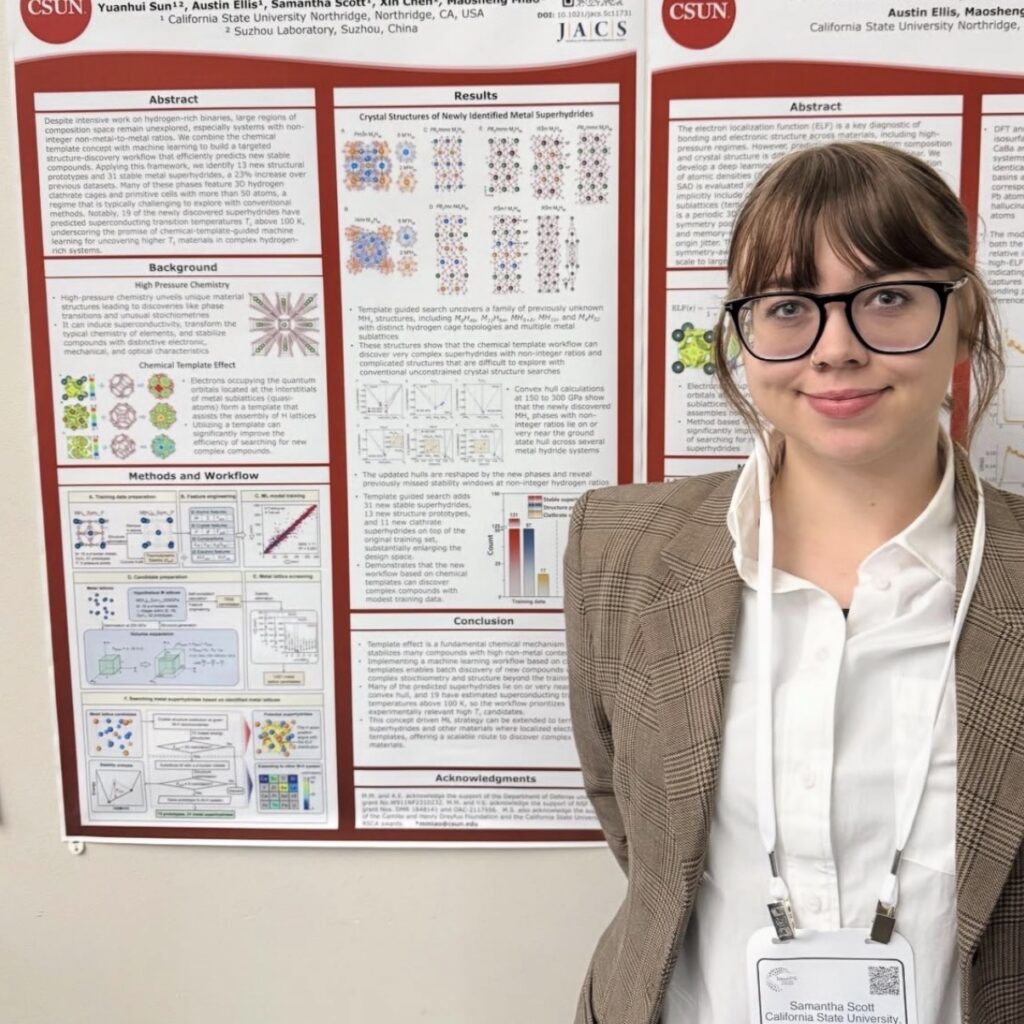 FeaturedMAY 2026 · CSUN NEWSROOMGraduate researchers receive National Science Foundation fellowships
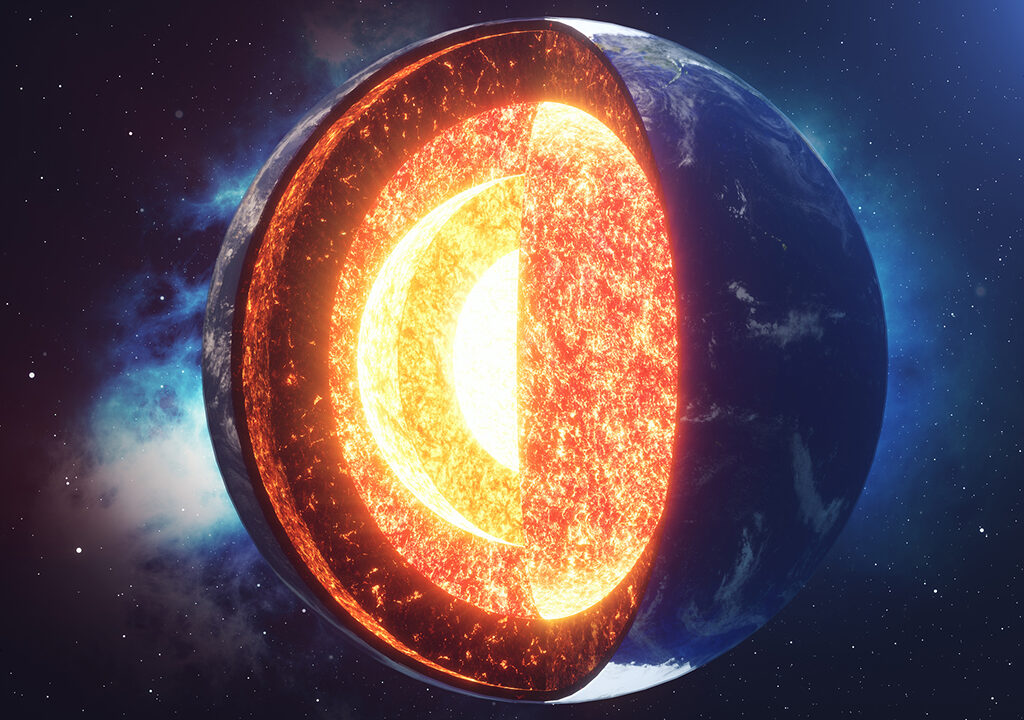 NOV 2025 · CSUN NEWSROOMStudy by CSUN Prof Upends Understanding of What Happens to Iron at Earth’s Core
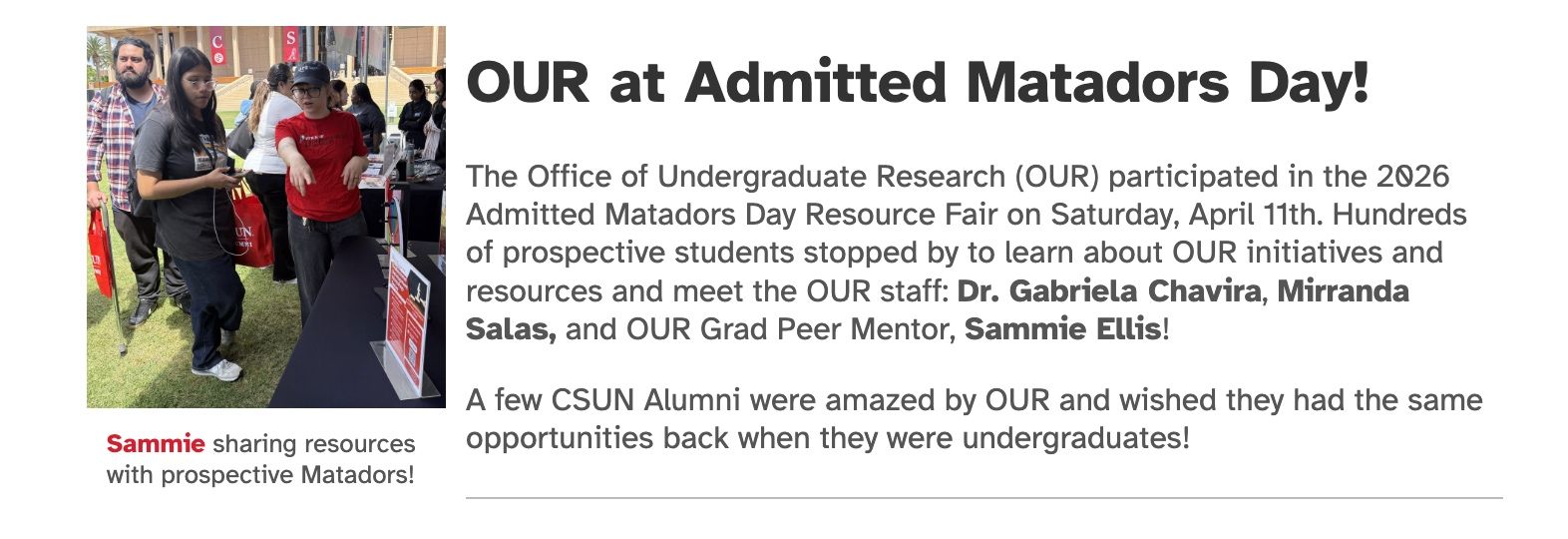 OFFICE OF UNDERGRADUATE RESEARCH NEWSLETTERGraduate peer mentoring and undergraduate research outreach